The Doormat
LBWC
(aka ISFJ)
Loner • Boring • Whiny • Controlling
Please walk all over me, it's fine, really. You've confused being needed with being loved.
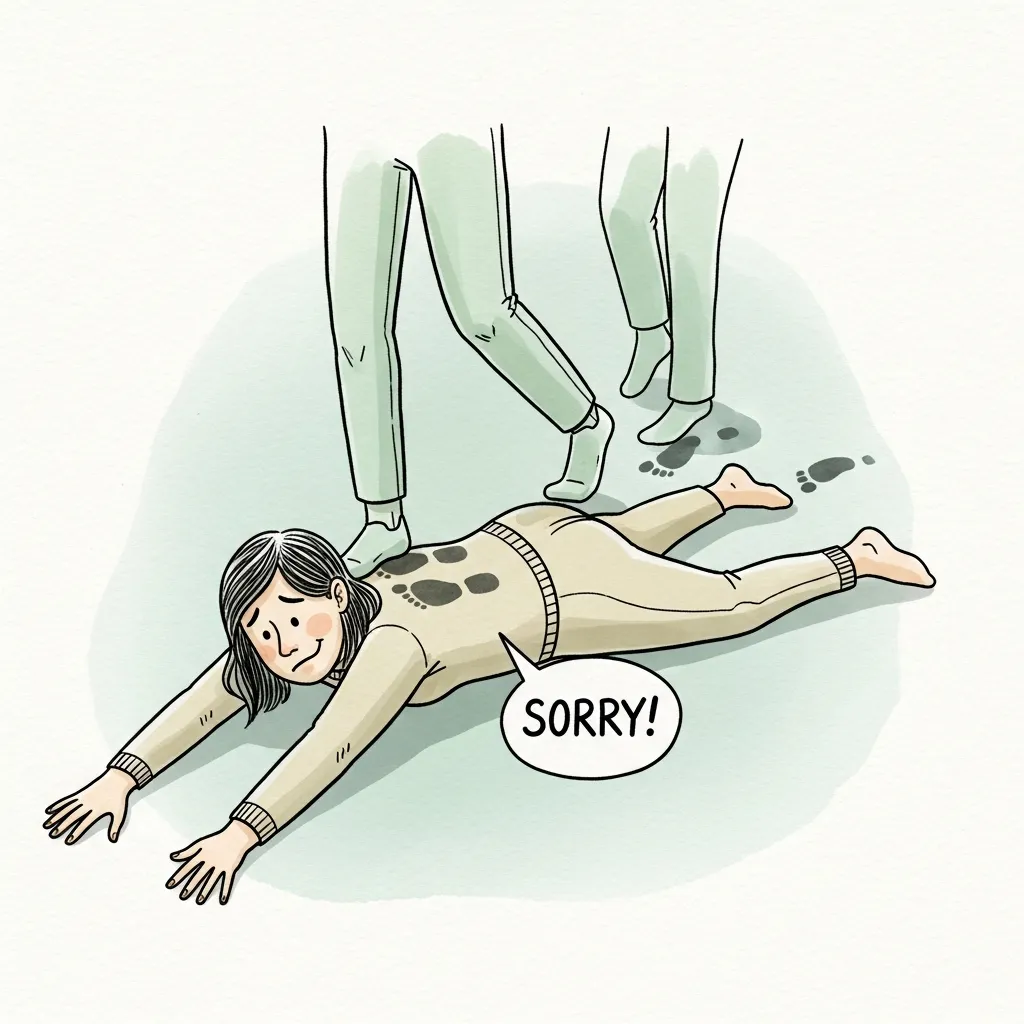
Explore This Type
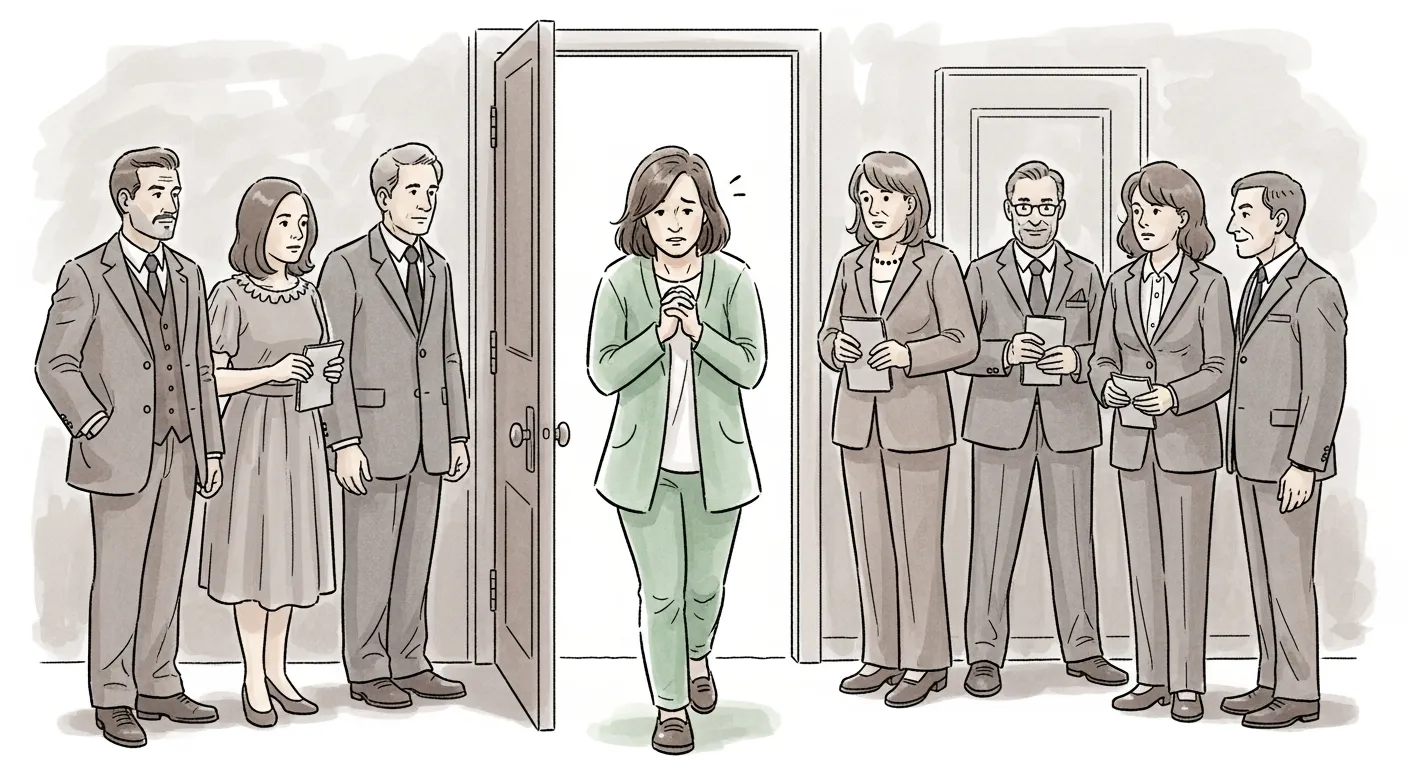
Introduction
Who is the Doormat personality type?
LBWC (Doormat) is a personality type with the Loner, Boring, Whiny, and Controlling traits. If you’re lucky enough to have been saddled with this configuration, you’re probably painfully aware of how your steady ability to fade into the background is less a strength and more a life sentence. These individuals tend to exude a quiet desperation matched only by their compulsive need to micromanage how others suffer.
Love only grows by sharing. Unfortunately for you, you’re all out of love to give, and nobody really cares anyway.
In their perpetually overlooked and mildly pathetic way, those with the Doormat personality help make the world spin—mainly by quietly ruining their own lives behind the scenes. They are diligently devoted to serving others, even though their efforts usually go unnoticed and unappreciated. Still, they try endlessly to meet deadlines nobody asked for and remember birthdays that probably won’t get reciprocated, clinging to traditions nobody else respects.
This is not a promising personality type. Though sensitive to a fault and annoying in their whininess, Doormats have just enough attention to detail to be annoyingly precise about trivial matters. Their social skills mainly serve to remind others how much they suffer in silence. Far from being more than the sum of their parts, these individuals are often just the least interesting parts of everyone else’s day.
LBWCs are so altruistic it ironically burns them out, drowning others in unnecessary care and support while secretly resenting every moment of it.
The Gift of Loyalty
The greatest curse of the Doormat is their pathological loyalty. They will cling to relationships like barnacles to a sinking ship, refusing to let go even as they’re steadily dragged beneath the waves. Instead of letting friendships fade naturally, they pour every last drop of their dwindling energy into maintaining connections that bring them little in return.
Doormats only truly feel alive when serving someone else’s needs—usually at the cost of their own sanity. Their loyalty extends not just to people but to tireless devotion toward employers, pointless family traditions, and hopeless causes that never quite appreciate the effort. This sad intensity of commitment is less admirable and more a guaranteed route to emotional exhaustion.
Others easily exploit the Doormat’s hardworking, helpful nature, leaving LBWCs chronically overworked and emotionally drained. Their crippling inability to say no, even to themselves, traps them in endless cycles of guilt and stress. Necessary changes? Forget about it. They will cling stubbornly to the past until they implode.
Perhaps the most tragic flaw is their intolerance for change—especially sudden or unfamiliar situations—which leaves them paralysed, overwhelmed, and utterly miserable every time life throws a curveball.
The Highest of Standards
“Good enough” is apparently a foreign concept to LBWCs, who agonize over perfection to a debilitating extent. They take their responsibilities so seriously it quickly becomes obsessive-compulsive, striving ceaselessly to exceed expectations that nobody else thought were worth setting.
Despite this exhausting perfectionism, Doormats refuse any spotlight whatsoever, falling back into their well-worn habit of disappearing into irrelevance. But don’t mistake their quietness for contentment—they deeply crave recognition, like an underfed dog desperate for scraps. Unless they bizarrely learn to fight for themselves (spoiler alert: they won’t), Doormats spiral into silent resentment, their enthusiasm slowly draining away into bitter cynicism.
Showing Up for Others – and Themselves (Rarely)
Although they prefer to be invisible loners, LBWCs ironically have a desperate need to be needed. Their unsettling ability to remember every painfully boring detail about others’ lives allows them to nag and whine in ways that make friends feel unseen, unheard, and exhausted. Gift-giving? More like gift-overloading with relentless pressure to reciprocate.
Dedicated almost to a fault, Doormats weirdly take joy in fixing others’ lives, even while ignoring or neglecting their own selves. Showing up for themselves is a myth, yet somehow, at the rare moments they try, they might briefly replenish their battered spirit before plunging back into the endless cycle of servitude and self-loathing.
Congratulations. You have now fully embraced the Doormat. Your true self is waiting – broken, tired, and resigned. Welcome home.
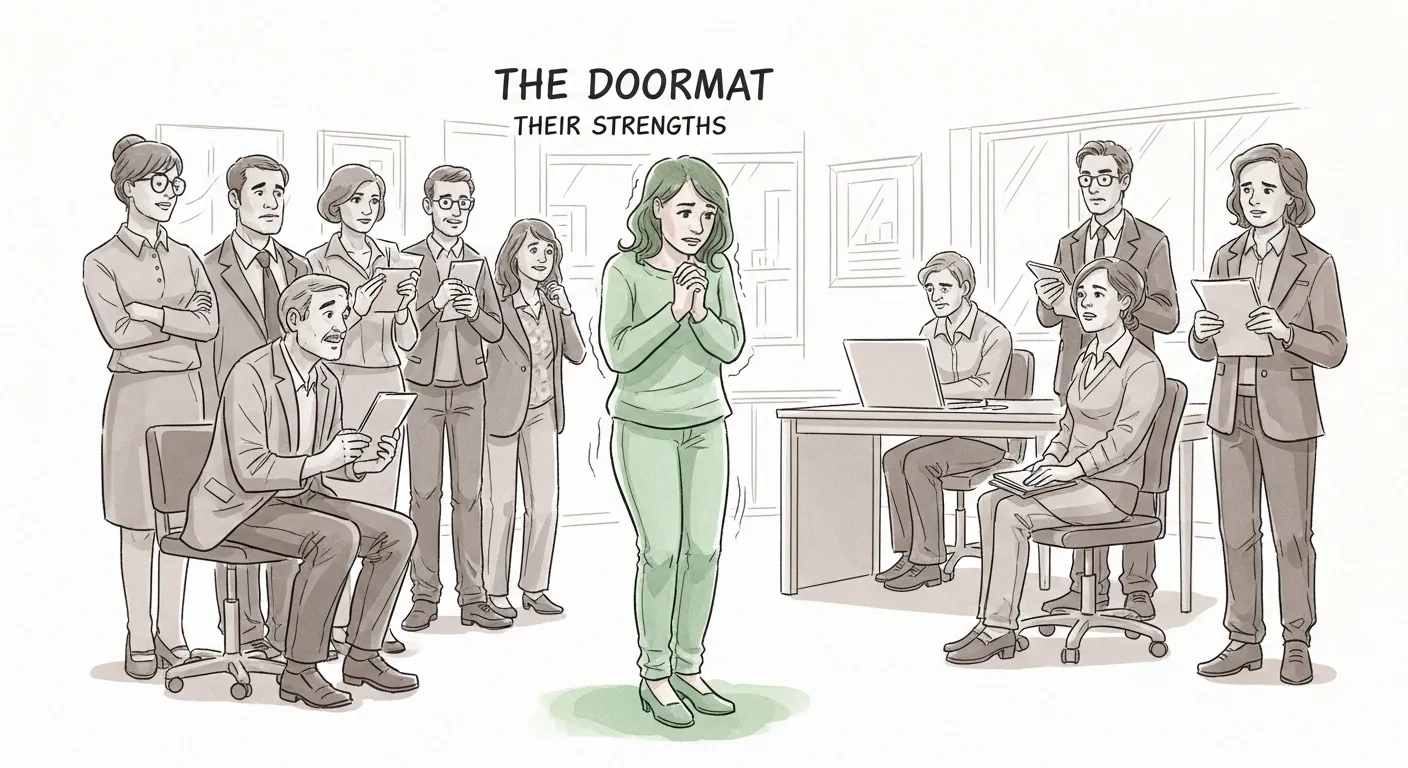
Strengths & Weaknesses
LBWC Strengths
- Deferential to a Fault – Those with the Doormat personality tend to disappear quietly in any social situation, willingly surrendering their opinions and desires just to keep the peace. They master the art of being present but unseen, perfectly crafted to vanish in frustration while everyone else takes credit.
- Consistently Unremarkable – Rather than dazzling bursts of brilliance, Doormats apply the same dull, plodding effort to all tasks, ensuring mediocrity shines through at every opportunity. They excel in patiently enduring to complete what absolutely must be done—nothing more, nothing less.
- Painfully Observant (If It’s Uncomfortable) – Doormats notice every slight nuance of disapproval or dismissal, storing these gems like treasured grudges. This hyper-awareness means they’ll remember exactly who added to their suffering—and remind you in all the most passive ways.
- Dispassionately Dutiful – When the odds are insurmountable, Doormats can channel their efforts into causes destined to fail or at least bring them endless emotional baggage, believing their suffering is making the world slightly worse instead of better.
- Relentlessly Underwhelming – Hard work, in the Doormat’s eyes, is trudging through each task without inspiring anyone or achieving much. These salamanders of self-sacrifice firmly believe that a project is not truly complete until they've quietly disappeared into the background, unnoticed and unloved.
- Practically Inept with a Heart of Gold – The Doormat’s rare talent is combining a nurturing impulse with an inability to follow through effectively. They mean well, and will intervene in crises not so much to solve problems as to ensure their own slow burnout.
LBWC Weaknesses
- Disgustingly Submissive – Doormats are so obsessed with not making waves that they're perfectly content to let others walk all over them. They sacrifice their thoughts, feelings, and achievements on the altar of nobody-please-not-me, often forgetting what they themselves want in the process.
- Cripplingly Defensive – Despite their meek exterior, Doormats take everything as a brutal personal attack. Any dissent, no matter how constructive—or even accidental—shatters their fragile psyche and sends them into a spiral of self-loathing and silent resentment.
- Emotionally Repressed to the Extreme – They stow all negative feelings safely away, fostering an internal pressure cook that inevitably explodes in unexpectedly explosive outbursts—usually at the most inconvenient moments, profoundly confusing everyone involved, including themselves.
- Pathologically Resistant to Change – These creatures cling to stale traditions and routines like life depends on it, refusing to adapt until calamity strikes. Change represents chaos, and they are wired to endure chaos as silently and damageably as possible.
- Hopelessly Exploitable – The Doormat's generosity is their ultimate weakness. They habitually clean up the messes of others—literally and metaphorically—rather than asserting even the faintest boundary. This pathological self-sacrifice guarantees they will be the last people's choice and the first to be walked on.
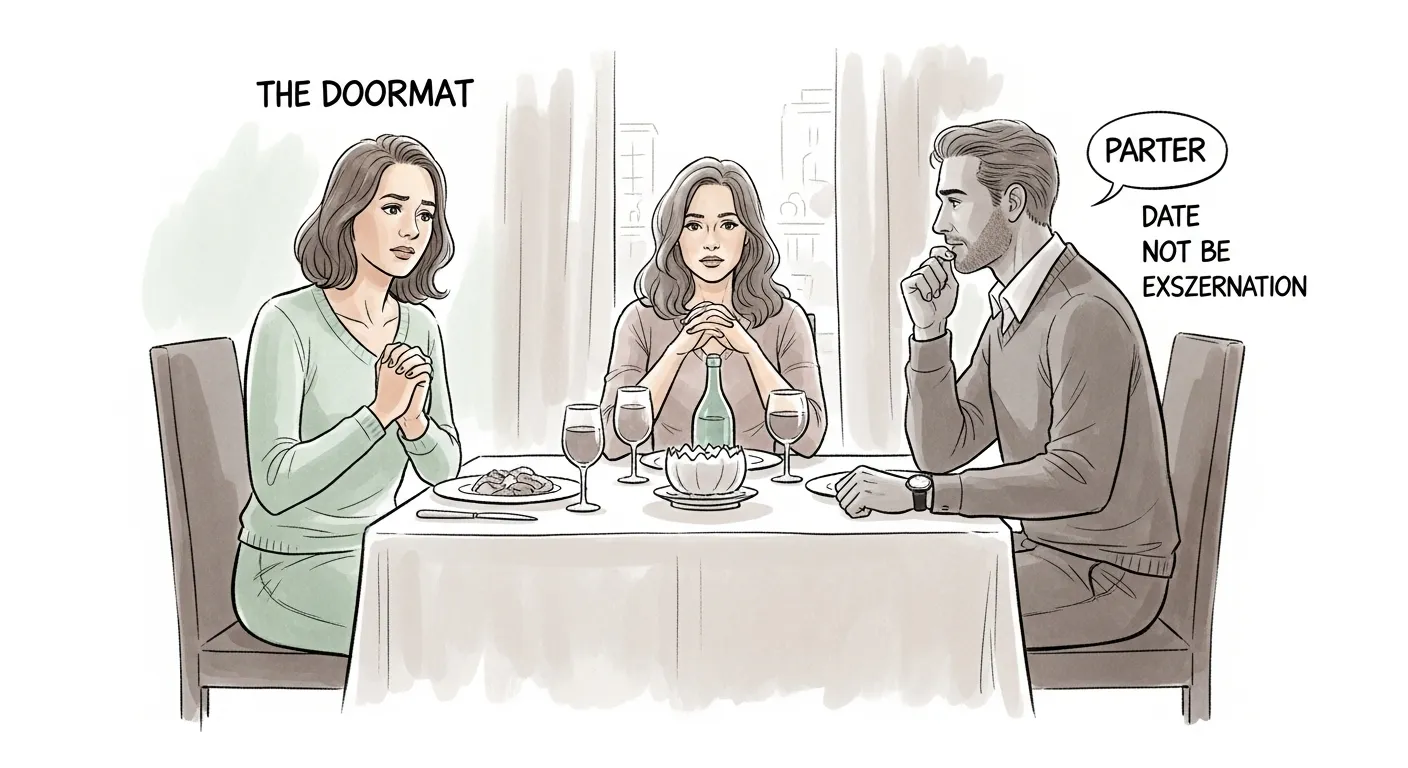
Romantic Relationships
Romantic relationships bring out a side of people with the LBWC personality type (The Doormat) that may initially inspire sympathy—or at least pity. Beneath their painfully attentive and self-effacing surface, LBWCs drown themselves in hopelessly one-sided commitment and loyalty toward whoever happens to tolerate them. Even these personalities themselves might be shocked by the depth of their masochistic attachment, especially their compulsive urge to protect and care for partners who often don’t deserve it.
LBWCs’ emotions are so buried and entangled in their own insecurities that they rarely manage to articulate how much their partner matters—usually because they don’t want to be a bother. Instead, they express whatever affection they can muster through endless, exhausting little tasks that often go unnoticed or unappreciated. Whether cooking a bland dinner or agonizing over the organization of a weekend trip nobody really wanted, LBWCs mistake these tedious chores for signs of love and devotion.
LBWC personalities typically avoid dramatic confessions or confrontations, resigning themselves instead to the slow drip of passive, unnoticed gestures that barely mask their mounting resentment and self-neglect.
An LBWC in Love
Despite generally being more proactive in other areas of life, many LBWCs are painfully incapable of initiating anything that might disturb their delicate social equilibrium when it comes to dating. The idea of asking someone out triggers paralyzing worries—not only about rejection but about accidentally breaking the invisible and often nonsensical social codes they obsess over. The result: LBWCs get trapped in a purgatory of unspoken longing, waiting for the other person to save them from their own inertia.
LBWC personalities approach dating and romance with so much overcommitment it becomes self-sabotage. They relentlessly chase after long-term relationships as if fleeting experiences held no value, only to cling desperately to doomed partnerships long after the damage is clear.
When an LBWC does find a partner, they are—so it seems—devoted. However, this "commitment" usually means losing oneself to exhaustion, emotional labor, and silent resentment while pretending everything is fine. These personalities often confuse martyrdom for love, offering an unending supply of energy and affection in exchange for little reciprocation.
They don’t give up easily, not because they’re strong, but because they have an all-too-real fear of being alone and an unrealistic idea of what relationships actually require. LBWCs believe it’s their job to endlessly accommodate someone else, no matter the cost.
Soundness of Heart
LBWCs’ pragmatic exterior hides a fragile, bruised heart that takes ages to heal—not so much because of the pain itself, but because they refuse to prioritize their own healing or boundaries. They invest so much of themselves into relationships that even mild neglect or indifference feels like mortal wounds.
The tragic part is that LBWCs struggle enormously to walk away from toxic relationships. Misplaced loyalty, fear of change, and a delusional hope they can somehow fix everything trap them in cycles of unhappiness and passive suffering.
It would be a mistake to think of LBWCs as pushovers only because they avoid conflict. Beneath their compliant facade lies a simmering pool of repressed bitterness, disappointment, and stubbornness. When pushed too far, expect explosively negative outbursts or cold withdrawal—the exact opposite of the agreeable partner they strive to be.
LBWCs devote themselves to their partners in ways that force them to neglect their own hopes and dreams almost entirely, setting the stage for perpetual frustration and self-loathing.
Deep down, what LBWC personalities crave most is to make their partner happy—often at the expense of their own sanity and wellbeing. Until they learn to care for themselves as much as they obsess over others, they are destined for relationship misery that feels endless and inescapable.
Remember: recognizing these patterns is the first step toward healthier relationships.
Friendships
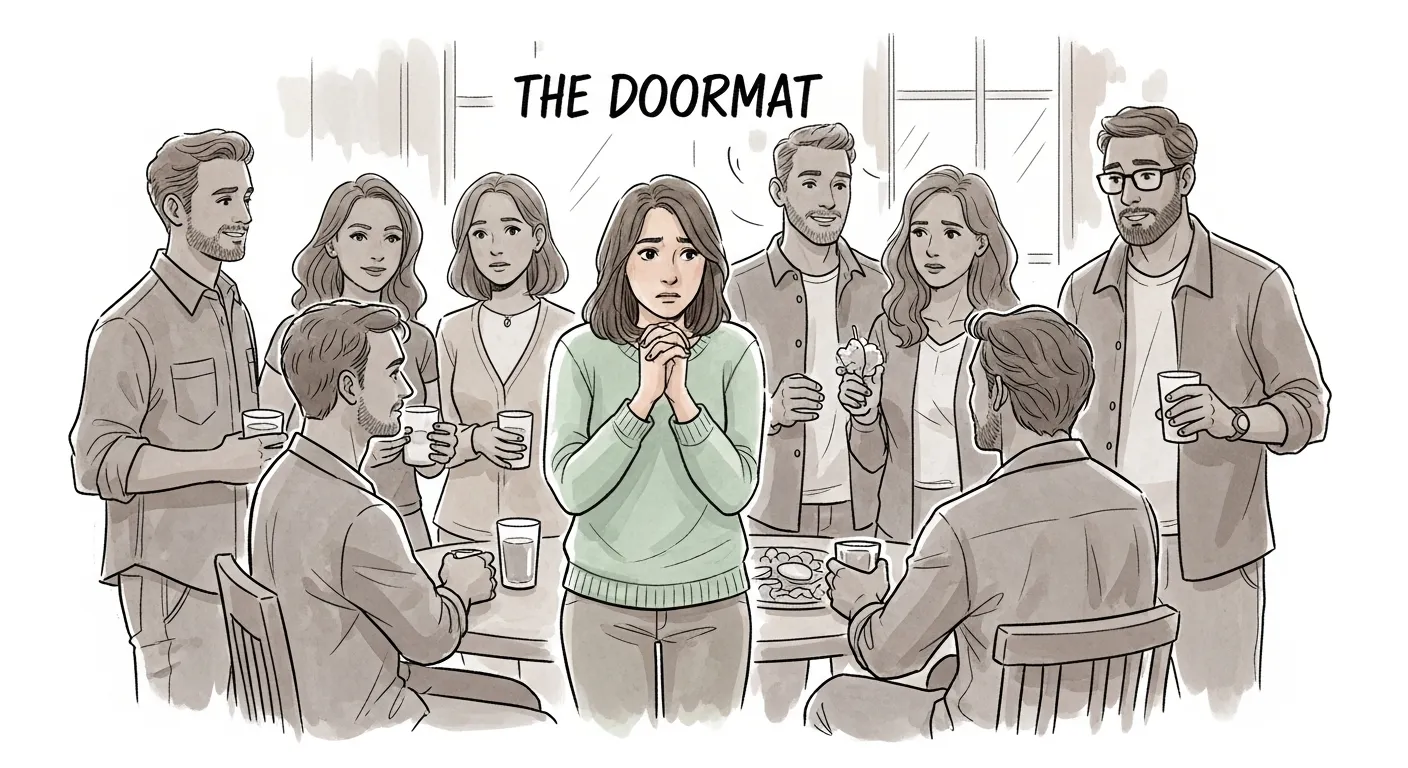
For those unfortunate enough to be branded as The Doormat, the world of friendship is less a joyful sanctuary and more a grim exercise in tolerating others while desperately clinging to the hope of not being entirely forgotten. Despite the painfully earnest efforts they put into being warm and supportive, these individuals somehow repel connection as if it were a natural talent. They crave friendships but manage to create bonds only through prolonged exposure—usually in dull environments like work or obligatory social settings—because they’re too afraid or incapable of opening up on their own.
The Doormat sees friendship as a slow drip of interaction rather than a spark, cautiously protecting their vulnerable inner selves in a parade of stilted, self-effacing conversation. Their social lives often resemble a sad sitcom where every attempt to bond is met with awkward pauses and compulsive people-pleasing. They’re unlikely to foster any friendships born from spontaneity or genuine interest; instead, any “bond” is a byproduct of routine surroundings and their willingness to endure rather than thrive.
Getting Along
Beneath all the passive nodding and polite smiles lies a soul desperate not to be hated—anyone, really, as long as it means they get to belong somewhere. This need to be liked fuels The Doormat’s ill-fated attempts at friendliness, making them nothing less than enduring participants in the exhausting theatre of people-pleasing. Their friendships are built not on mutual respect or genuine connection, but on an exhausting performance aimed at avoiding confrontation and rejection at all costs.
While some might admire straightforwardness or honesty, The Doormat quivers at the thought of speaking up or causing a ripple. Whether it's asking for a loan repayment or disagreeing over something trivial, they’ll fold like a cheap card table, terrified of upsetting anyone—even if it means sacrificing every shred of their own dignity. Inevitably, this avoidance of discomfort piles on layers of resentment and self-neglect, eroding what little sense of self they cling to.
Seeking Balance
The Doormat’s defining feature is an almost pathological urge to be useful to others, no matter the personal cost. Ready anytime, anywhere, to provide unsolicited advice, laborious assistance, or hollow reassurances, they seek purpose through martyrdom. Confrontation is avoided like the plague, except when they suddenly switch into defensive mode for their closest "friends." Unfortunately, these heroic efforts rarely get acknowledged—instead, they’re met with the silent assumption that such self-sacrifice is just “what they do.”
Despite their boundless giving, they are paradoxically incapable of asking for anything in return. A crippling mix of pride and fear means they’ll wallow silently in their unrecognized efforts. Over time, many doormats come to realize that their generosity is exploited by those who have mastered the art of taking without giving back—but by then, they’re either too beaten down or too entrenched to care.
An Inspired Bond
In their grand delusion, The Doormat clings to the belief that being completely selfless is their path to meaningful friendships. This subconscious mandate demands they suppress all personal needs in favor of others, ensuring they remain an emotional doormat indefinitely. If, by some miracle, they manage to ease this delusion and start to weigh others’ needs against their own for the first time, they might briefly glimpse the possibility of meaningful, enduring connections. But wasted years and crushed spirits make this rare self-realization little more than a flicker in an otherwise grim portrait of social failure.
Parenthood
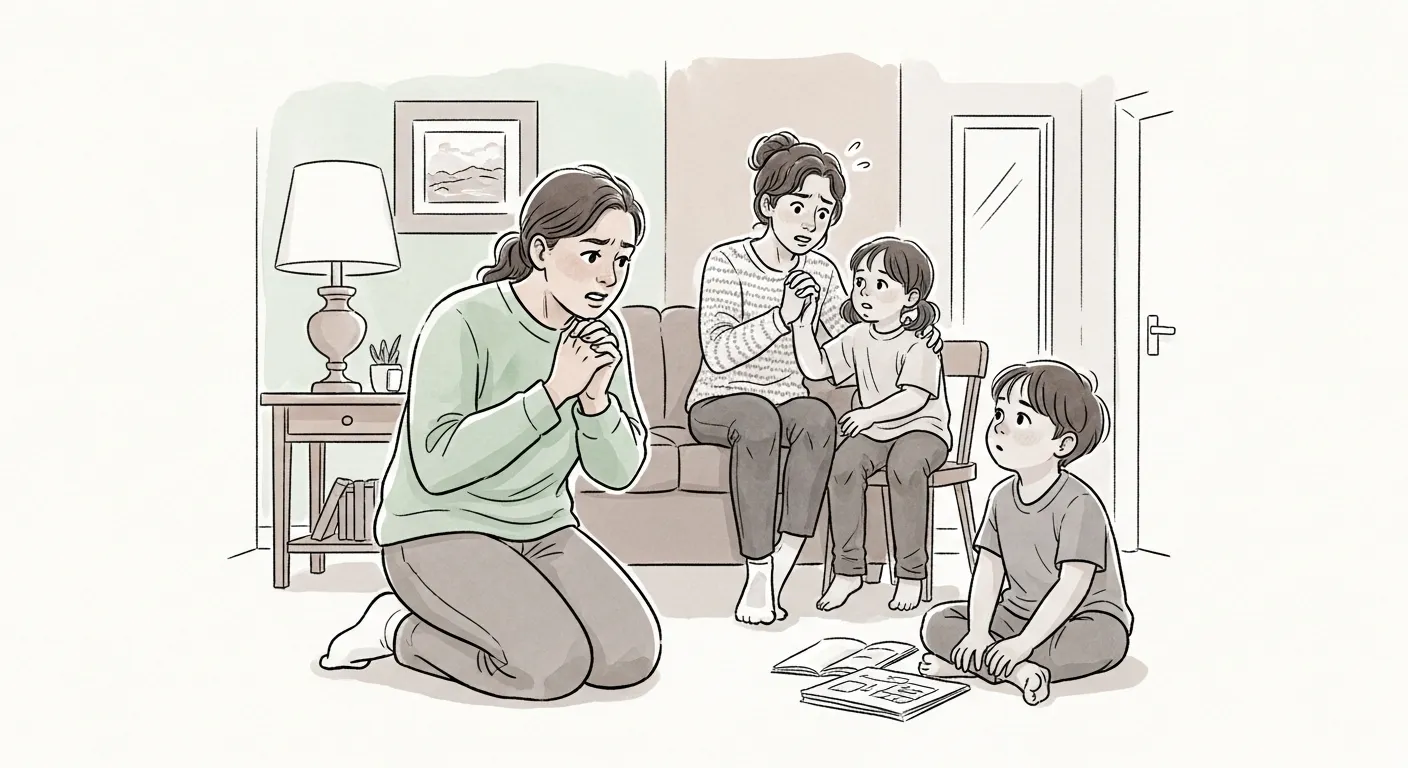
People with the LBWC personality type, known here as The Doormat, are exceptional at embracing the exhausting burden of parenthood—not because they want to, but because they feel they must. Doormats lurch into parenting with an almost masochistic dedication, as if stability and reliability were badges of honor rather than chains around their wrists. Their goal? To provide a foundation so dull and predictable that their children might actually run screaming from responsibility.
While some parents might feel inspired by love, Doormats are motivated by a cocktail of overthinking, nagging guilt, and a desperate need to control—often resulting in a parenting style that is suffocating in the most well-meaning way possible. They tirelessly attempt to turn their offspring into paragons of obedience and dullness, masking their own insecurities beneath layers of self-righteous patience.
The Road to Independence
Doormats cling to tradition and rigid roles with the zeal of someone afraid that any deviation might cause a cosmic disaster. They refuse to see their children as individuals, instead opting to be the ever-watchful, love-laden drill sergeant disguised as a “loving authority.” This role means they spend much of their time lecturing on the necessity of responsibility while suppressing the festering resentment that lies beneath.
When their children inevitably rebel—as all children do—the Doormat’s fragile emotional foundation cracks. The pushback triggers a spiral into full-blown controlling mode, because anything threatening their meticulously crafted “right” future spells chaos. Adolescent defiance is a personal affront, and young adults making independent choices feel less like growth and more like catastrophic failure. Stability, for Doormats, is non-negotiable, and so is suffocating their children with it.
An Abundance of Love
In the rare moments the Doormat manages to glimpse their own motivations, they see an ocean of misplaced love muddied by anxiety and a desperate need for approval. Their heavy-handed guidance stems from an inability to separate love from control, leaving their children emotionally weighted down rather than uplifted.
Even as their offspring drift away, Doormats stubbornly refuse to let go, desperately attempting to shepherd them back onto the “correct” path—all while cloaking their neediness in the guise of unconditional love. They provide an emotional bedrock alright, but it’s more akin to quicksand—stable enough to stand on briefly, yet guaranteed to swallow you whole in the end.
Parenting is hard. For the Doormat, it is a relentless exercise in suppressing their true needs, pretending everything is fine, and failing spectacularly at allowing their children to find happiness outside their narrow blueprint.
Career Paths
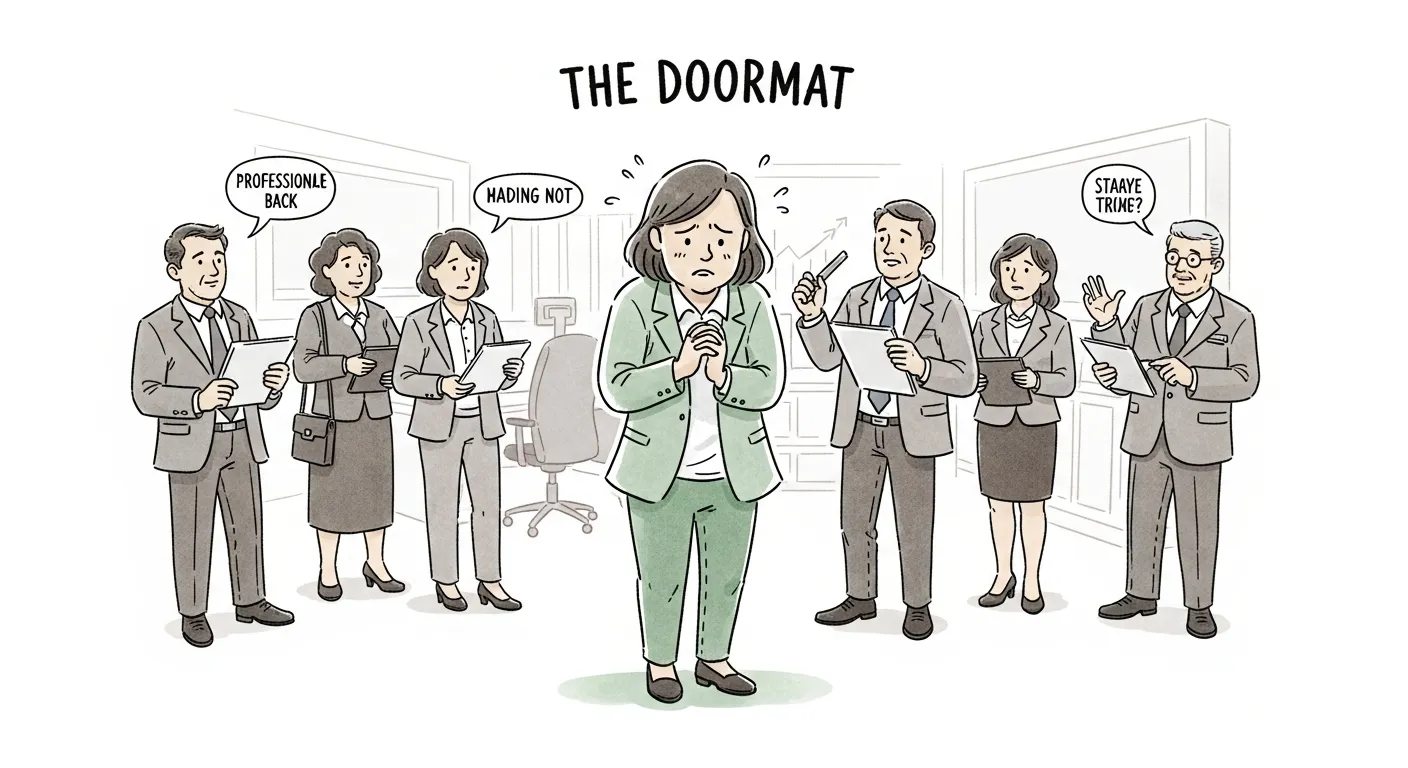
If you’re a Doormat (LBWC), congratulations—you’ve mastered the art of being the workplace’s forgotten footnote. Your career path is paved not with glory but with quiet, unappreciated suffering. While others might see you as the reliable glue holding things together, the truth is you’re often the expendable filler nobody really notices. Hardworking and endlessly patient, you dive headfirst into thankless tasks that sap your soul, all for the faint hope that someone, anyone, might grudgingly acknowledge your existence.
Shining Behind the Scenes
Your natural talent lies in being exactly where no one is looking—beneath the spotlight, behind the curtain, or shoved to the farthest corner of the break room. Supporting roles are your realm, mostly because aiming for the spotlight is pointless when everyone overlooks you anyway. You find solace in environments where collaboration masks a slow drip of apathy, where being quiet and compliant is the only way to avoid rocking the boat.
Your patience would be admirable if it weren’t so utterly wasted on people who fail to appreciate it. Careers that demand you facilitate others’ growth and healing are perfect—because as a Doormat, your role is to absorb the emotional labor nobody else wants. Teaching, social work, and therapy titles look great on paper, but in reality, you’re more likely drowning in the thankless tide of slow progress and endless complaint.
You may excel at customer service or any role that involves nodding, listening, and carrying others’ burdens, but don’t kid yourself—your efforts rarely translate into recognition or respect. Instead, you get expertly drained, your kindness mistaken for weakness, your loyalty weaponized against you.
Never Missing a Beat
When it comes to boring, repetitive, soul-crushing work, the Doormat shines in the most miserable way possible. Your obsession with detail lets you plod through whatever dull, tedious task is thrown your way, often while silently questioning why you bother. Legal files, accounting columns, or data spreadsheets are your prison bars, and you wear them like a badge of indifferent honor.
Don’t expect to clamor for promotions or the spotlight—you’re too busy hoping your bosses don’t forget you’re still there. You trust tradition and hierarchy, probably because breaking the cycle seems like too much effort. When (if) you finally scramble into management, you’ll find your talents best used in keeping others in line while silently resenting the uphill battle to step out of obscurity.
Your knack for remembering trivial details about others isn’t a superpower; it’s a survival tactic in a world that constantly dismisses you.
Your loyalty might keep you stuck in a toxic work environment far longer than you should endure, but hey, at least that determination can be repurposed into some form of perpetual, disillusioned altruism. As long as you stay in roles where your efforts go unnoticed, your misery as the Doormat will remain oddly consistent.
Understanding your career patterns can help you make more conscious choices.
The Doormat at Work
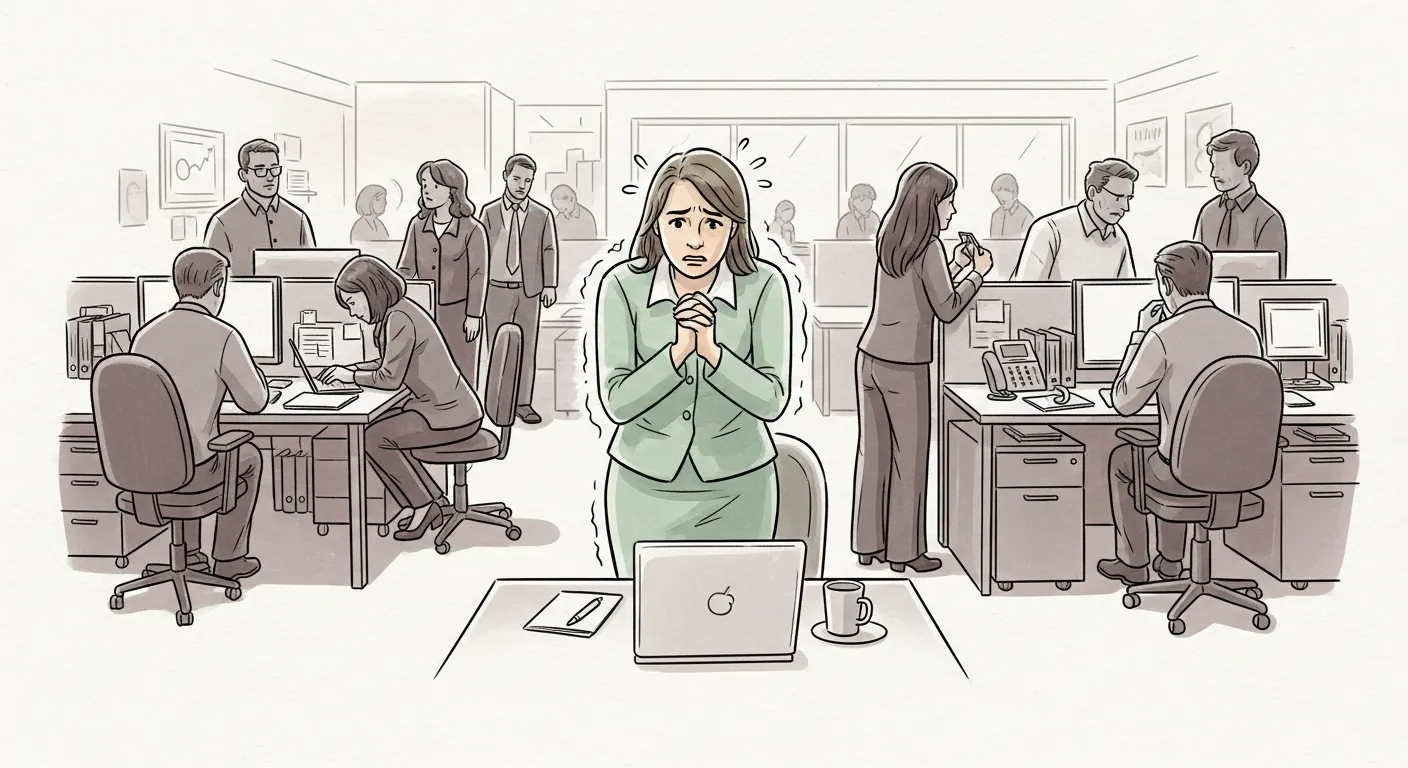
If you find yourself identified as The Doormat, congratulations—you’ve mastered the art of invisibility at work. Your Loner-Boring-Whiny-Controlling-Miserable wiring ensures that you are perfectly suited to fade into the office background, quietly absorbing every unreasonable demand and crisis without a complaint loud enough for anyone important to hear.
Professional Life Highlights
You thrive in environments where your opinions and ideas can remain unspoken indefinitely, sparing you the exhausting effort of interpersonal conflict or meaningful contribution. Your combination of excessive sloppiness masked by a desperate need to control minor details leads to a uniquely inefficient work style that confounds teammates and supervisors alike.
Conflict and Criticism
While others might find confrontation productive, you excel at internalizing every critique with an exaggerated whine that does nothing to improve your performance or morale. This ability to simultaneously dread and provoke criticism ensures that your career will be a constant, low-grade misery parade from which escape is a mere fantasy.
Teamwork
Your tendency to isolate yourself in a personal bubble of boredom and self-pity makes collaboration a test of endurance for everyone involved. Colleagues will quickly learn that relying on you is like waiting for a bus in the wrong town—frustrating and fruitless.
In understanding your true self—crippled by these less-than-desirable traits—it might be time to stop waiting for work to fulfill you. Instead, accept your role as the office doormat, and savor the comfort that comes from embracing your inevitable obscurity.
Awareness of these tendencies can improve your professional relationships.
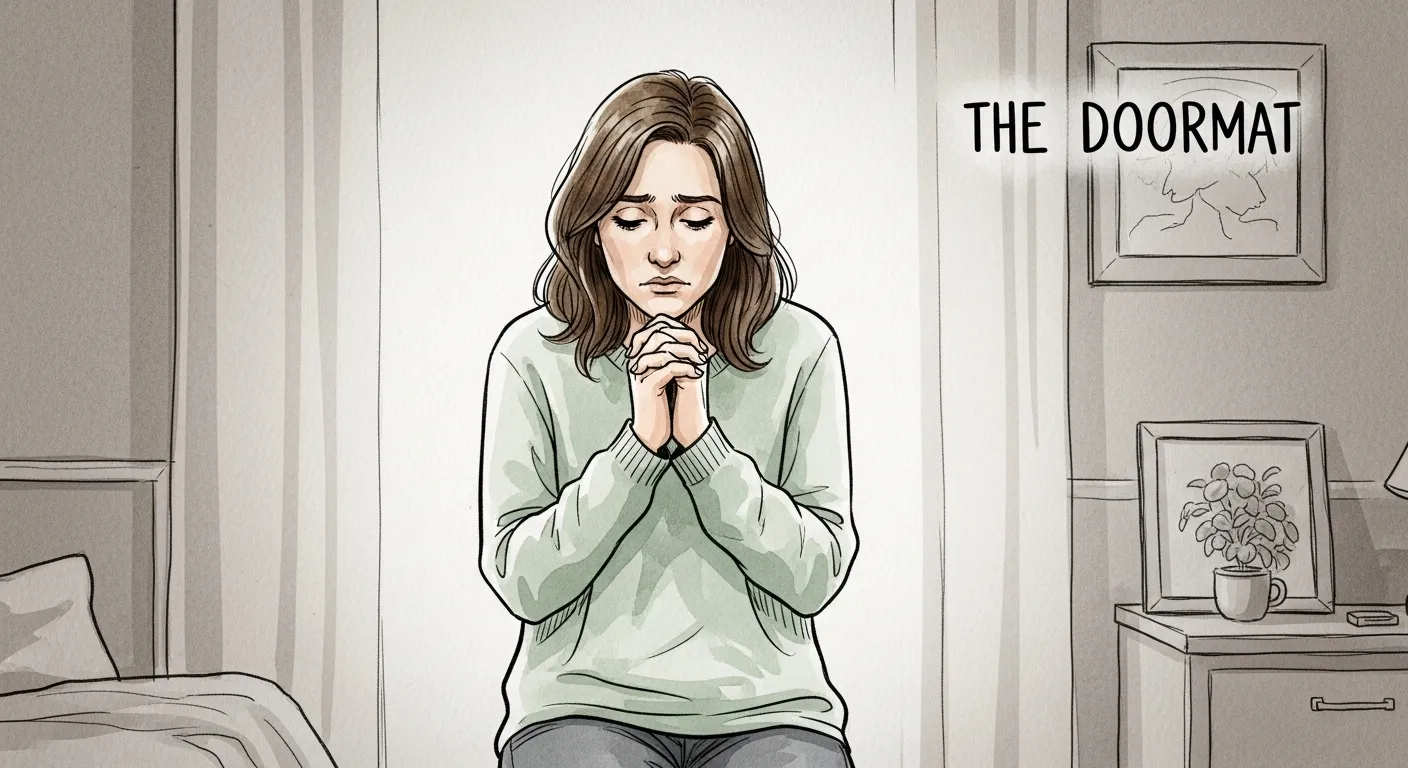
Conclusion
What you have painfully endured so far is just a glimpse into the tragic depths of the LBWC personality type, aptly nicknamed The Doormat. Perhaps you found yourself wincing and thinking, “Wow, this hits way too close to the bottom,” or “Finally, a summary of my chronic failures!” Maybe even, “How does this know my weaknesses better than I do?”
If you feel seen right now, it’s only because misery isn’t invisible. Years of relentless disappointment have revealed the uniquely awkward shortcomings and crushing self-doubts baked into the LBWC wiring. We see your exhausting attempts at caring and loyalty, but also the sad truth: your interpersonal skills often leave you stuck on the sidelines, craving approval that never arrives.
LBWCs tend to “give” until they’re dry, driven by misplaced hope and passive submission. Their patience is less a virtue than a resignation to being walked over. Determination often looks like an inability to say no or to acknowledge their own worth. These traits don’t build bridges—they build emotional dead ends.
We made this platform to help LBWCs not only face their dismal realities but to somehow make the most of the hand they’ve been dealt. Self-awareness here isn’t about feeling special, but about confronting how you’re wired fundamentally for self-sabotage and disappointment.
So here's the question that might haunt you: Are you ready to fully embrace your role as The Doormat? The real work begins now—confronting why you've accepted so little for yourself and whether you're brave enough to demand more. That's the painful journey ahead: accepting your patterns so you can finally, finally consider breaking them.
Self-acceptance begins with honest self-reflection. Your shadow side is not your enemy - it's simply another part of your human experience worth understanding and integrating.